Every Alert Human-Verified.
Here's Exactly How.
Most CCTV alerts are false positives. Ours is dramatically lower — a structural outcome of our three-layer AI + human verification process. Here's how it works, why it works, and what it saves you.
The False Alarm Problem
UK police forces receive over 300,000 unwanted security alarm calls every year. The NPCC has called the volume "unsustainable." For businesses, the cost compounds: guard dispatch fees, wasted operator time, police attendance charges, and — most damagingly — alert fatigue that desensitises security teams to genuine threats. When most alerts are noise, teams stop responding to the ones that matter.
The Three-Layer Verification Process
No single layer can eliminate false alarms on its own. AI alone misclassifies. Humans alone can't watch 1,000 cameras. Together, they're definitive.
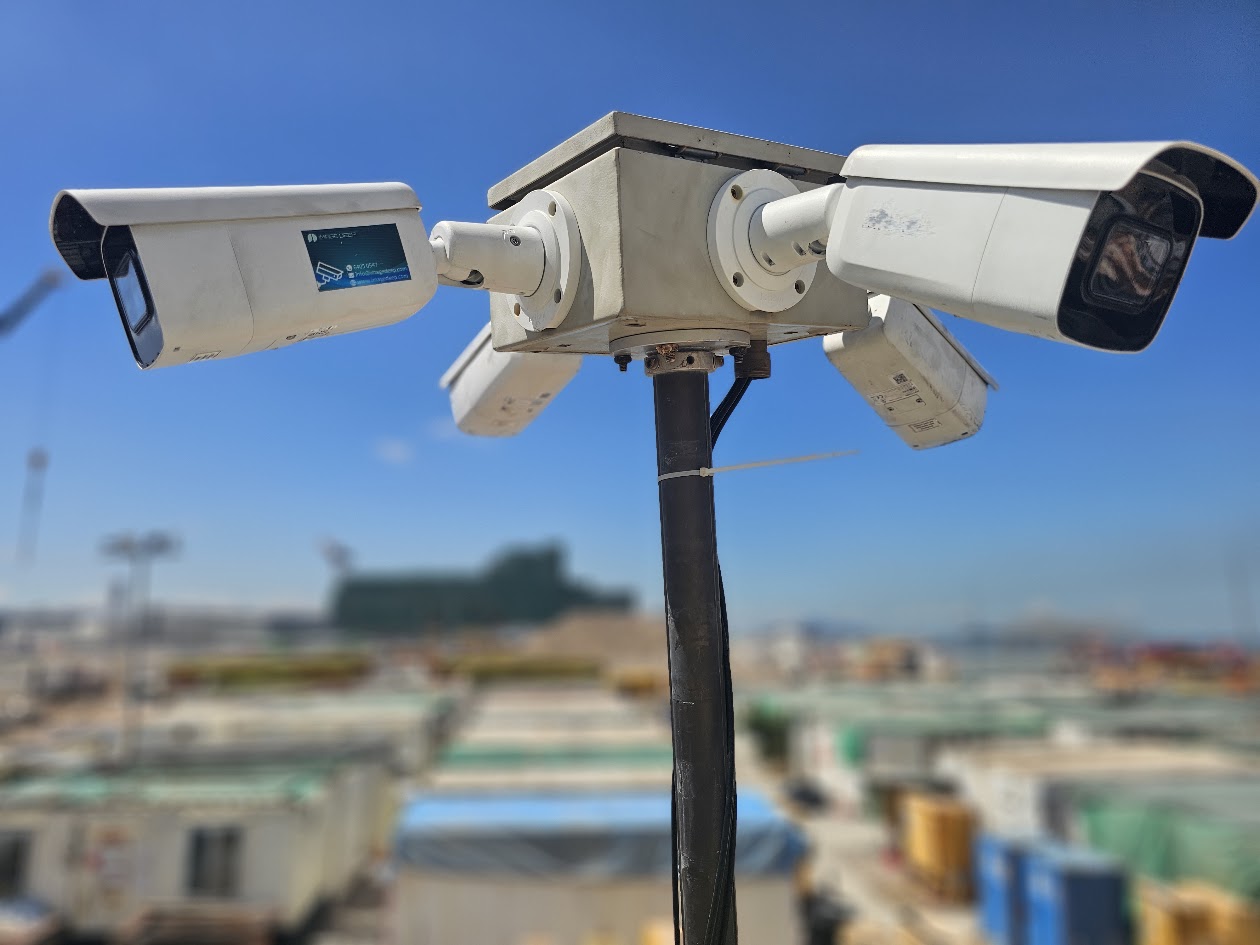
01 — AI Detection
Edge AI on your cameras and cloud AI models analyse every frame in real time, filtering out weather, lighting and animals.
- Raw motion events reduced by 70–80% at this stage alone.
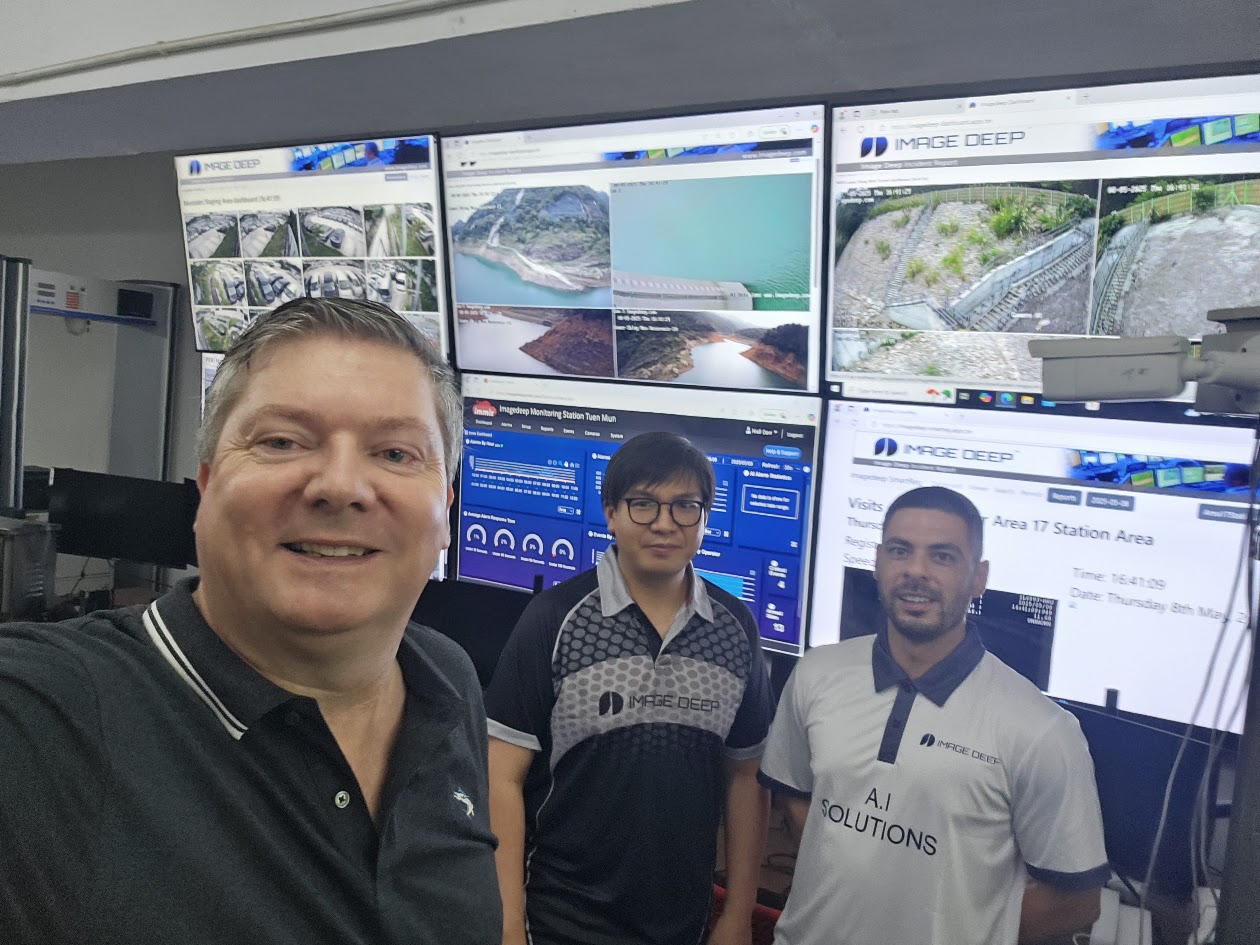
02 — Human Verification
A trained security operator reviews every remaining alert within seconds and confirms genuine threats — or suppresses false positives.
- No alert is dispatched without human judgment.
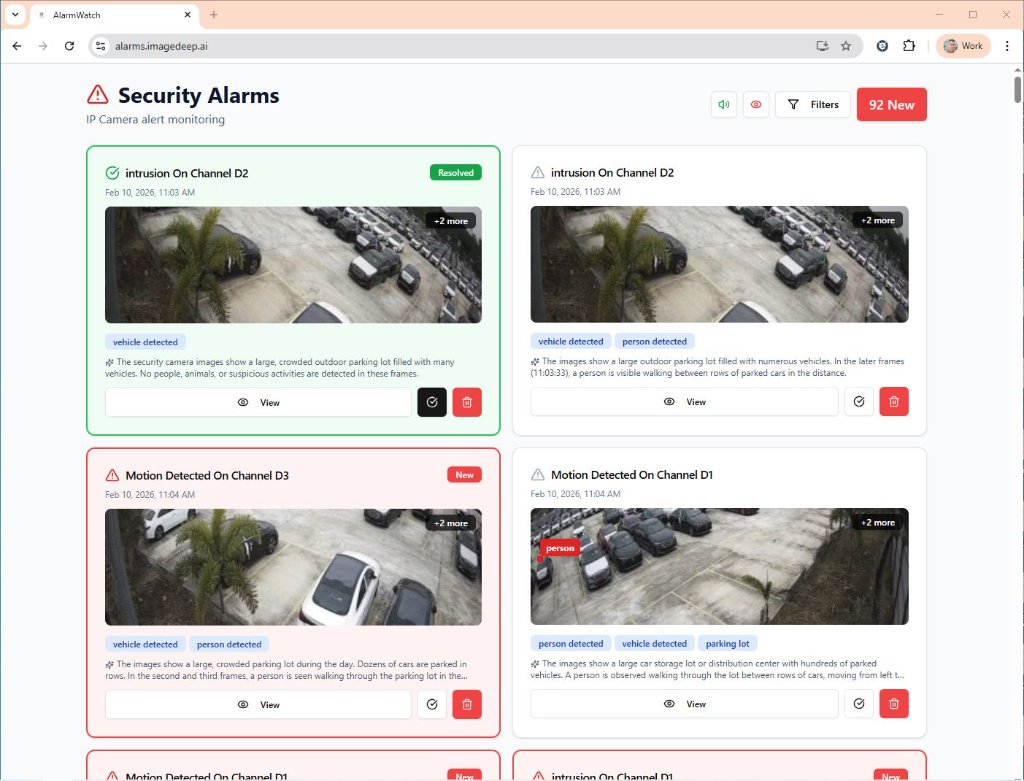
03 — Verified Alert Dispatch
Only confirmed incidents reach your team — SMS, email or dashboard, with the verified clip, location and recommended response.
- Your team responds only to real threats. Zero alert fatigue.
How We Compare
False alarm rate, response time, annual cost, and coverage — side by side across four security approaches.
| Approach | False Alarm Rate | Response Time | Annual Cost (typical) | Coverage |
|---|---|---|---|---|
| BestImageDeep (Hybrid AI + Human) | Human-verified | Fast | €36k–€60k/year | 24/7, all cameras |
| AI-Only Monitoring | 8–15% | 10–30s | €24k–€40k/year | 24/7, but unverified |
| Guard-Only (On-Site) | 30–50% | 2–10 min | €100k–€180k/year | 8–12 hrs/day |
| Passive CCTV (No Monitoring) | Very high | Review after fact | €12k–€20k/year | Recording only |
Costs are illustrative for a typical 20-camera, single-site deployment. Actual pricing varies by site size, camera count, and feature selection.
The Numbers
Real outcomes from live deployments — not projections, not estimates.
Why Human-Verified Alerts Change Everything
Cost
No wasted guard dispatches. Fewer false alarm fines. No operator hours burned reviewing noise. Average 68% reduction in security operating costs.
Trust
When every alert is verified, your team trusts the system. Response times to genuine incidents improve by 44% because alert fatigue is eliminated.
Speed
AI detects in milliseconds. Human confirms in seconds. The whole event-to-dispatch chain is faster than a guard can reach a monitor.
See Every Alert Human-Verified on Your Site
We'll deploy on your existing cameras, run a 30-day pilot, and prove far fewer false alerts in your environment.